
When people think about a court trial, they often imagine a judge listening to both sides before announcing a final verdict. It may seem like a straightforward process, but there is much more happening behind the scenes. Every trial involves careful preparation, legal arguments, evidence, witness accounts, and decisions that can significantly influence the outcome. So, what actually determines whether someone is found guilty or not guilty? Is it the strength of the evidence, the skill of the lawyers, or the judge’s interpretation of the law? The truth is that several factors work together to shape a verdict. Understanding these factors gives us a better picture of how the justice system operates.

The Strength of the Evidence
Evidence is one of the most important factors in determining the outcome of a trial. Courts rely on relevant and admissible evidence to establish what may have happened. This can include photographs, documents, physical objects, recordings, and forensic reports. However, simply presenting a large amount of evidence does not guarantee a favourable verdict. What matters is its reliability, relevance, and ability to support the claims being made. Strong evidence can make a significant difference, while weak or inconsistent evidence may create reasonable doubt.
The Importance of Witness Testimony
Witnesses can play a major role in court proceedings. Their accounts may help explain what happened, provide additional details, or support information presented by either side. However, not every witness tells a clear or consistent story. Memory can be unreliable, and different people may remember the same event differently. This is why lawyers question witnesses and examine their statements. The court must consider how credible and consistent their testimony is before deciding how much weight to give it.

The Skills and Strategies of Lawyers
A lawyer’s ability to present a case can influence how clearly the court understands the issues involved. Lawyers are responsible for examining evidence, questioning witnesses, presenting legal arguments, and explaining how the law applies to the facts. Good legal representation is not simply about speaking confidently in court. It also involves preparation, research, critical thinking, and understanding legal procedures. A well-presented argument can help the court examine important details, while poorly prepared arguments may make a case more difficult to understand.
The Judge’s Interpretation of the Law
Judges have an important responsibility when determining the outcome of legal proceedings. They must apply relevant laws, consider the arguments presented, and ensure that court procedures are followed. In some trials, judges determine both the facts and the legal outcome. In jury trials, the jury may decide the facts while the judge provides legal directions and handles other judicial responsibilities. A judge’s interpretation of legal principles can therefore influence how a case progresses and how the final decision is reached. However, judicial decisions must be based on the applicable law and the evidence presented, not personal feelings.
The Burden and Standard of Proof
Another important factor is the burden of proof. This refers to the responsibility of proving the claims made in a legal case. In criminal trials, the prosecution generally has the burden of proving the accused person’s guilt. The standard of proof is also significant. In criminal cases, guilt must generally be established beyond reasonable doubt. This does not mean that every possible doubt must be eliminated, but the evidence must be strong enough to meet the required legal standard. In civil cases, a different standard usually applies, often involving the balance of probabilities. These standards help ensure that decisions are reached according to established legal principles.
Courtroom Procedures and Legal Rules
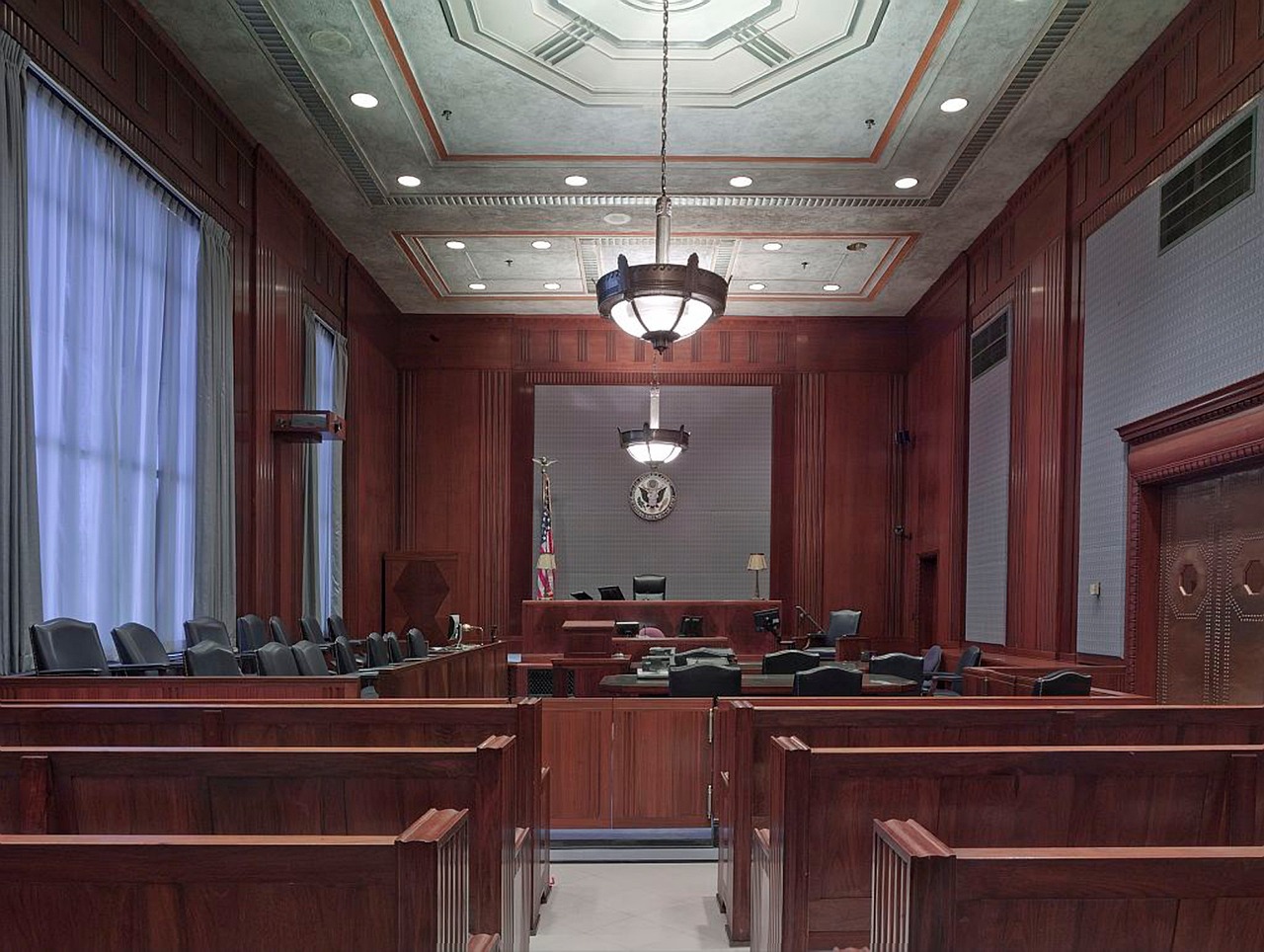
Court trials are guided by specific rules and procedures. These rules determine how evidence is presented, how witnesses are questioned, and how legal arguments are handled. For example, certain evidence may be excluded if it does not meet the applicable legal requirements. Procedural mistakes can also create complications and, in some circumstances, affect the fairness or validity of proceedings. Following courtroom procedures helps protect the rights of everyone involved. It also ensures that decisions are made through an organised and legally recognised process.
The Role of Fairness and Impartiality
Fairness is at the heart of every justice system. Everyone involved in a trial deserves an opportunity to present their case and respond to the arguments made against them. Impartiality means that decisions should not be influenced by personal relationships, prejudice, discrimination, or public pressure. Courts must focus on the facts, applicable laws, and relevant legal principles. Without fairness, even a carefully conducted trial can lose public confidence. An impartial process helps protect individual rights and strengthens trust in the justice system.
A verdict is rarely determined by one factor alone. Evidence, witness testimony, legal representation, judicial interpretation, and courtroom procedures all contribute to the outcome of a trial. Ultimately, the purpose of the legal process is not simply to declare someone guilty or innocent, but to reach a fair decision based on the law and the available evidence. Understanding what happens beyond the verdict helps us appreciate just how much goes into the pursuit of justice.

